
 International
 Schweiz
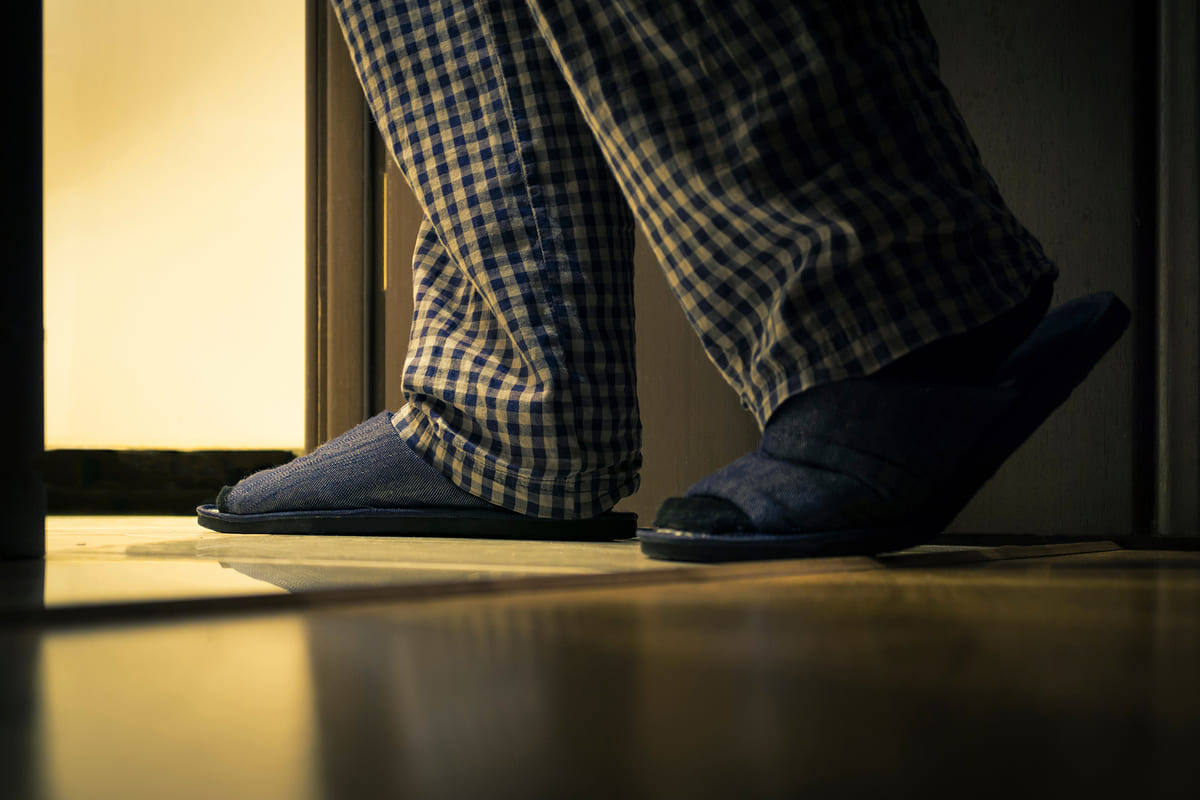
What can be done about the urge to urinate at night?
The night could be so restful—if it weren’t for the constant trips to the bathroom. Those who wake up several times during the night to urinate often feel exhausted in the morning. But is the bladder really to blame? Sleep researcher Dr. Vorster dispels a common misconception and shares tips to help reduce nighttime urination.
Many people are convinced that they wake up at night because their bladder is full. But often, it’s the other way around. “In many cases, people are first awakened by something else—such as their own snoring with breathing pauses or noise,” explains Dr. Vorster, a biologist and sleep researcher. Once awake, they then notice slight pressure on the bladder and assume it was the cause of waking up—and the trip to the bathroom becomes inevitable. Accordingly, if you frequently feel the urge to urinate at night, you should first have your snoring evaluated.
“The actual cause of waking up and the associated need to urinate is often the quality of sleep itself.” — Dr. Vorster, biologist and sleep researcher
Three tips to help you avoid nighttime bathroom trips
1. Adjust your drinking habits
Drink enough during the day—ideally spread across the morning and afternoon. In the two hours before going to bed, you should drink little to nothing.
2. Avoid alcohol
Beer and similar drinks have a diuretic effect and also disrupt sleep—they cause us to wake up more often. Avoiding alcohol before bedtime can significantly improve your sleep quality.
3. Analyze your habits
Keep a drinking log for a few days (using an app or handwritten). This will quickly show whether you’re drinking too much in the evening—or if you’ve unconsciously developed the habit of getting up at night.
And don’t worry: “One or even two nighttime bathroom visits are completely normal and do not impair sleep quality—as long as you can fall back asleep easily afterward,” reassures the sleep researcher.
Conclusion
In many cases, the bladder is not the main issue behind nighttime bathroom visits. Snoring, restless sleep, or late drinking habits can be just as responsible. The key is to identify the real causes first and then address them specifically.
Sleep tip from Dr. Vorster
“Avoid drinking large amounts in the evening and consider having any underlying sleep disorder evaluated if you frequently wake up at night.”
Source
Dr. Albrecht Vorster, biologist and sleep researcher (personal communication, June 2, 2025)